
*we do care (2025)



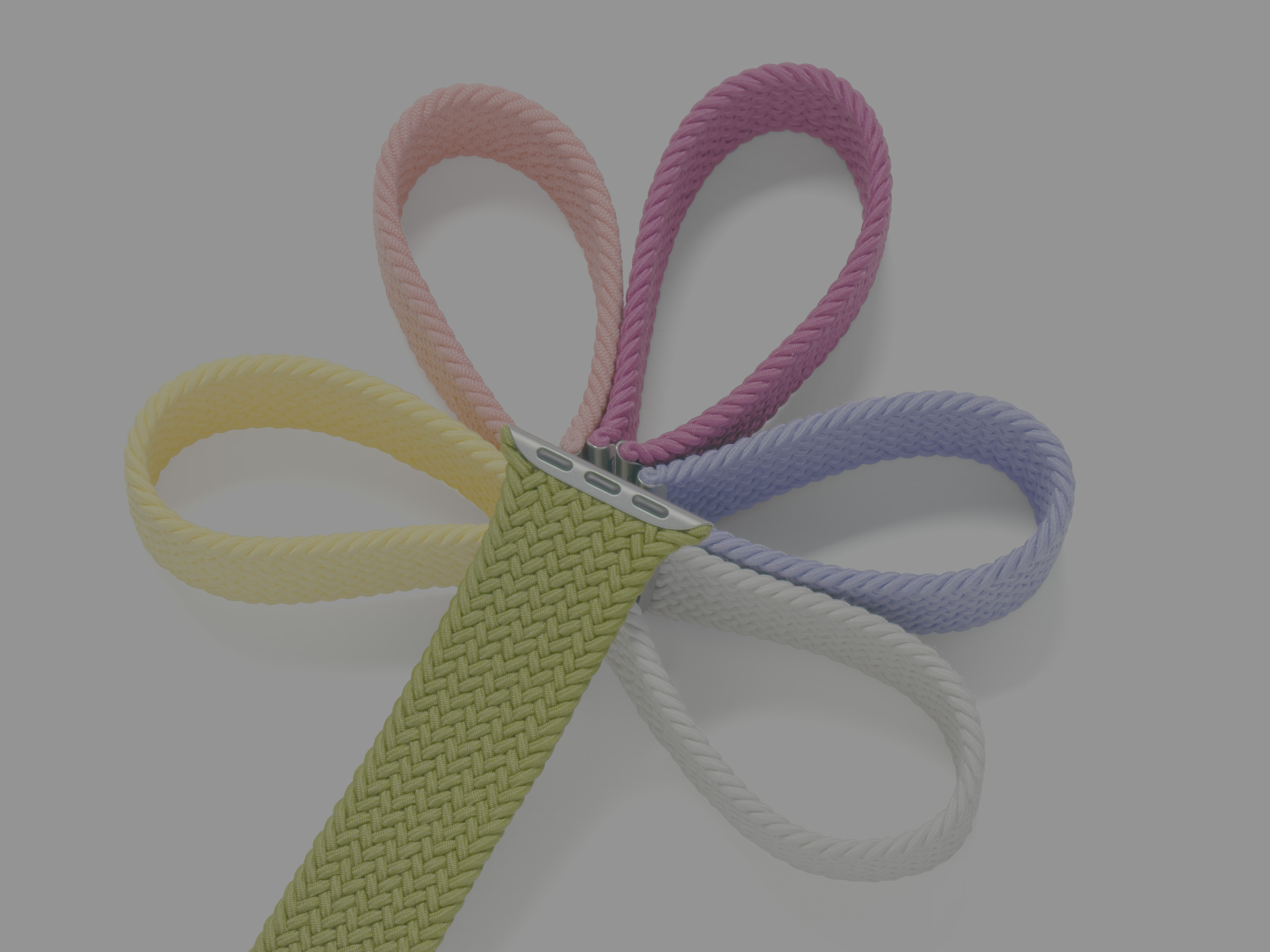


About this project
*we do care (2025) is a contemporary photographic project that examines how environmental issues are visually communicated in modern media culture. Historically, public imagery surrounding plastic pollution has relied on confrontational and emotionally charged photographs, such as broken plastic waste scattered across coastlines and marine wildlife harmed by disposable consumer products. These highly circulated documentary visuals reflect real environmental consequences, but their repeated exposure can lead to image and compassion fatigue, reducing audiences’ ability to engage meaningfully with the broader complexity of plastic pollution.
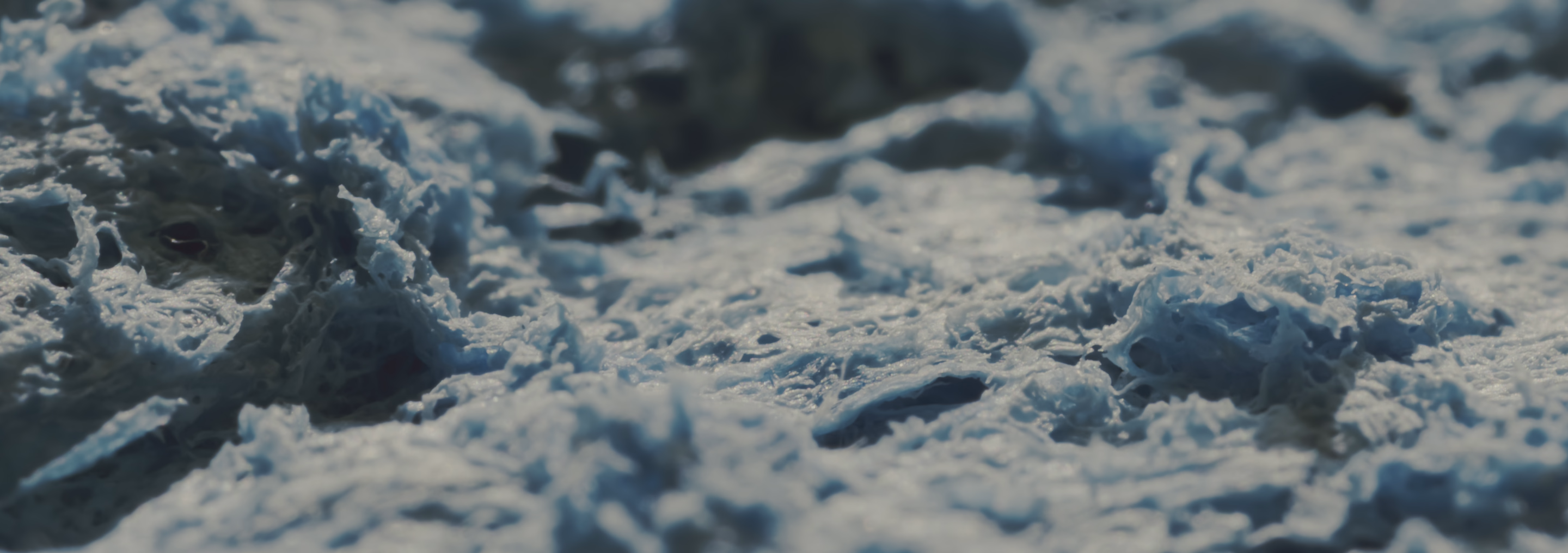
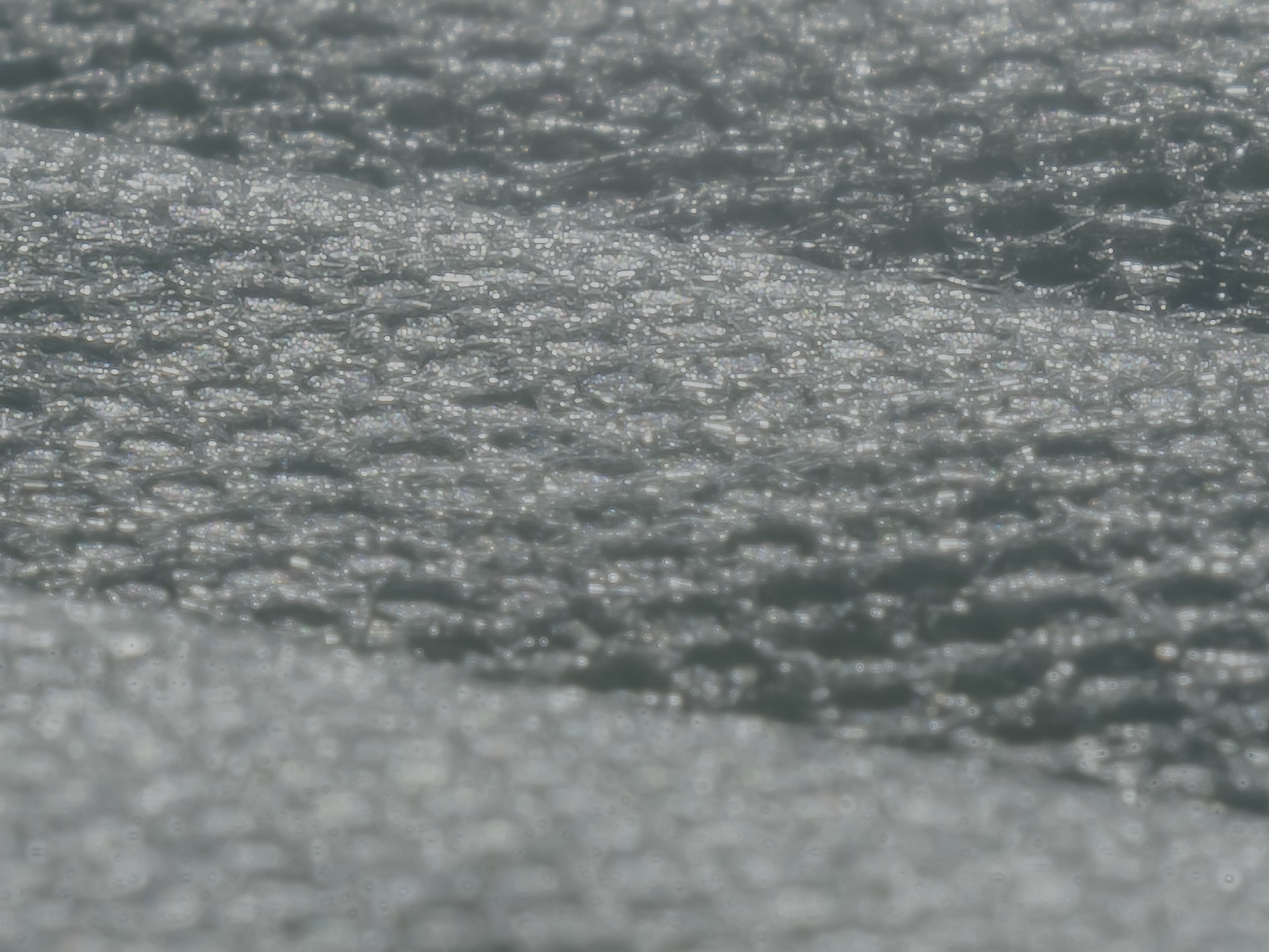
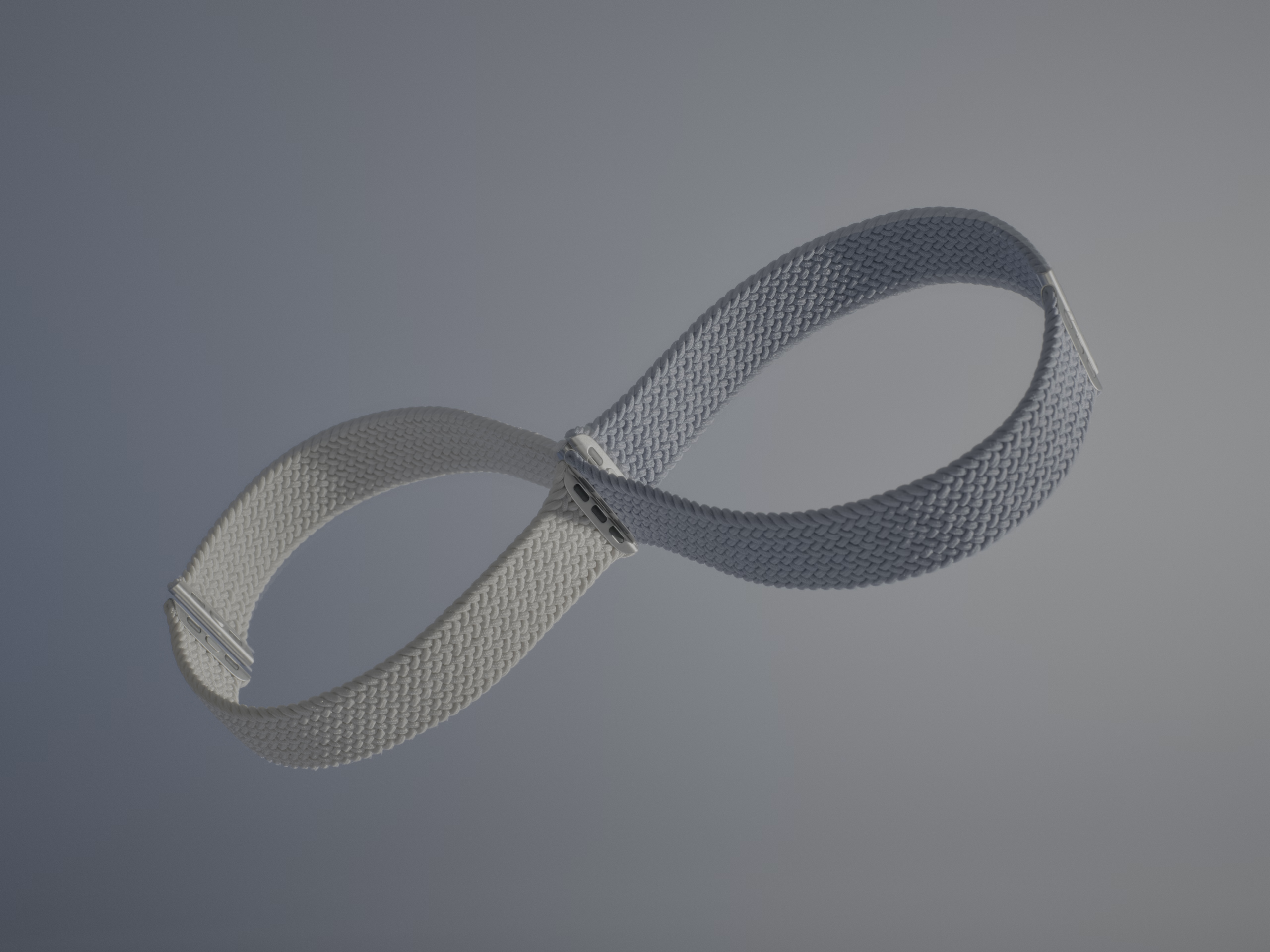
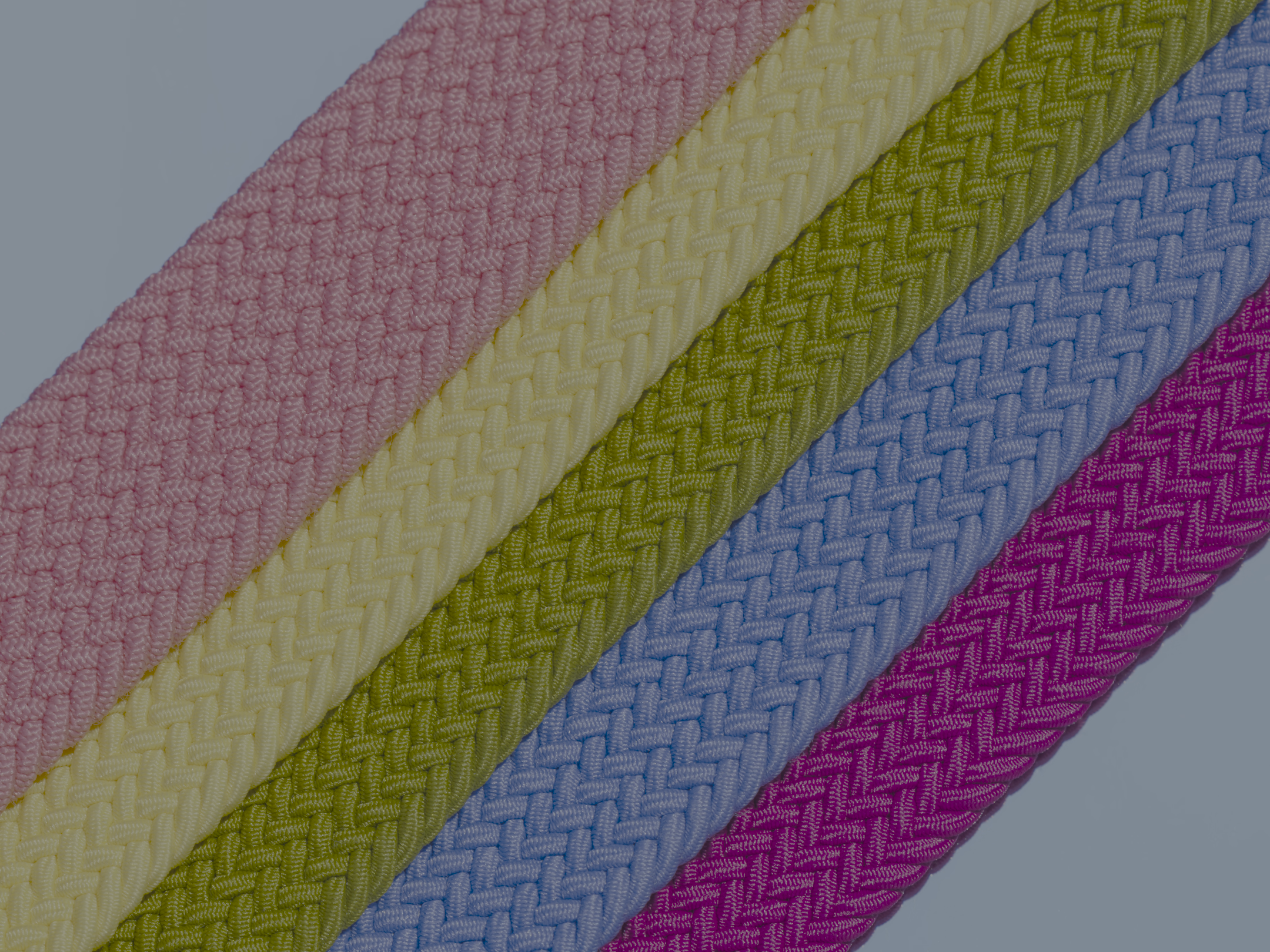
This project explores an alternative visual approach. Rather than relying on fear, shock, or visual excess, we do care adopts a restrained and atmospheric photographic language influenced by minimalist composition, commercial visual culture, and contemporary East Asian aesthetics. Through carefully controlled lighting, abstraction, and colour relationships, ordinary plastic objects are transformed into visually ambiguous forms that balance attraction and discomfort.
The project intentionally creates a quieter emotional atmosphere, encouraging sustained reflection rather than immediate reaction.By slowing down the viewing experience, it invites audiences to reconsider their relationship with disposable materials, consumer behaviour, and the psychological distance often separating daily convenience from environmental consequence.
Beyond environmental commentary, we do care also reflects on the evolving role of photography itself within public discourse. This series challenges the limitations of visual communication, aiming to transcend repetitive crisis imagery and forge new forms of engagement that honour emotional sensitivity while maintaining conceptual clarity. Technically, it achieves this through precision lighting control, colour-managed imaging workflows, and minimalist spatial composition. This creates a refined visual environment where texture, translucency, and material presence become central narrative elements. The resulting images blend still life photography, conceptual documentation, and sculptural abstraction.
Ultimately, “We Do Care” doesn’t seek direct answers or moral instruction. Instead, it serves as a contemplative visual space, exploring how contemporary photography can convey environmental urgency through subtlety, atmosphere, and sustained attention, rather than relying solely on spectacle.